
What Cannes Lions' Biggest Sponsors Lobbied For in Washington This Year
The Palais des Festivals will be draped in the language of creativity, purpose, and human connection when Cannes Lions opens its doors this month. What won't appear on any panel agenda is the $127 mil


Key Takeaways
- Cannes Lions' top 10 sponsors collectively spent over $127 million on US federal lobbying in the past 12 months- AI-generated advertising regulation, children's digital privacy, and data broker restrictions dominate the agenda- The same companies celebrating "creativity" on the Croisette are fighting to limit creative regulation in DC- For founders, understanding the lobbying-to-Cannes pipeline reveals where the industry is actually headingThe Palais des Festivals will be draped in the language of creativity, purpose, and human connection when Cannes Lions opens its doors this month. What won't appear on any panel agenda is the $127 million question: what did these companies ask for in Washington before they flew to France?
Following the Money: The Top SpendersBetween July 2025 and June 2026, Cannes Lions' most visible sponsors — the companies whose logos you will see on every lanyard, yacht party invitation, and beach cabana — spent aggressively on US federal lobbying.
Google (Alphabet): $13.4 million on lobbying in the past four quarters, with disclosed focus areas including "AI policy," "advertising technology regulation," and "digital markets competition." Google is simultaneously the largest buyer of Cannes Lions sponsorship inventory and the largest advertiser on its own platforms — a circularity that regulators are now mapping with forensic detail. Meta: $19.8 million. The bulk targeted children's online safety legislation (COPPA 2.0 and the Kids Online Safety Act), with secondary focus on "AI transparency in advertising" — the very frameworks that would require Meta to label AI-generated ad creative, a mandate the company has publicly supported in principle but privately lobbied to narrow in scope. Amazon: $21.3 million, the largest single-company spend among Cannes sponsors. Amazon's lobbying portfolio touches advertising only tangentially; the company's primary targets are cloud computing procurement standards and antitrust reform. But its Cannes presence — through Amazon Ads, Prime Video, and AWS-hosted media tools — makes its policy posture relevant to every advertiser in attendance.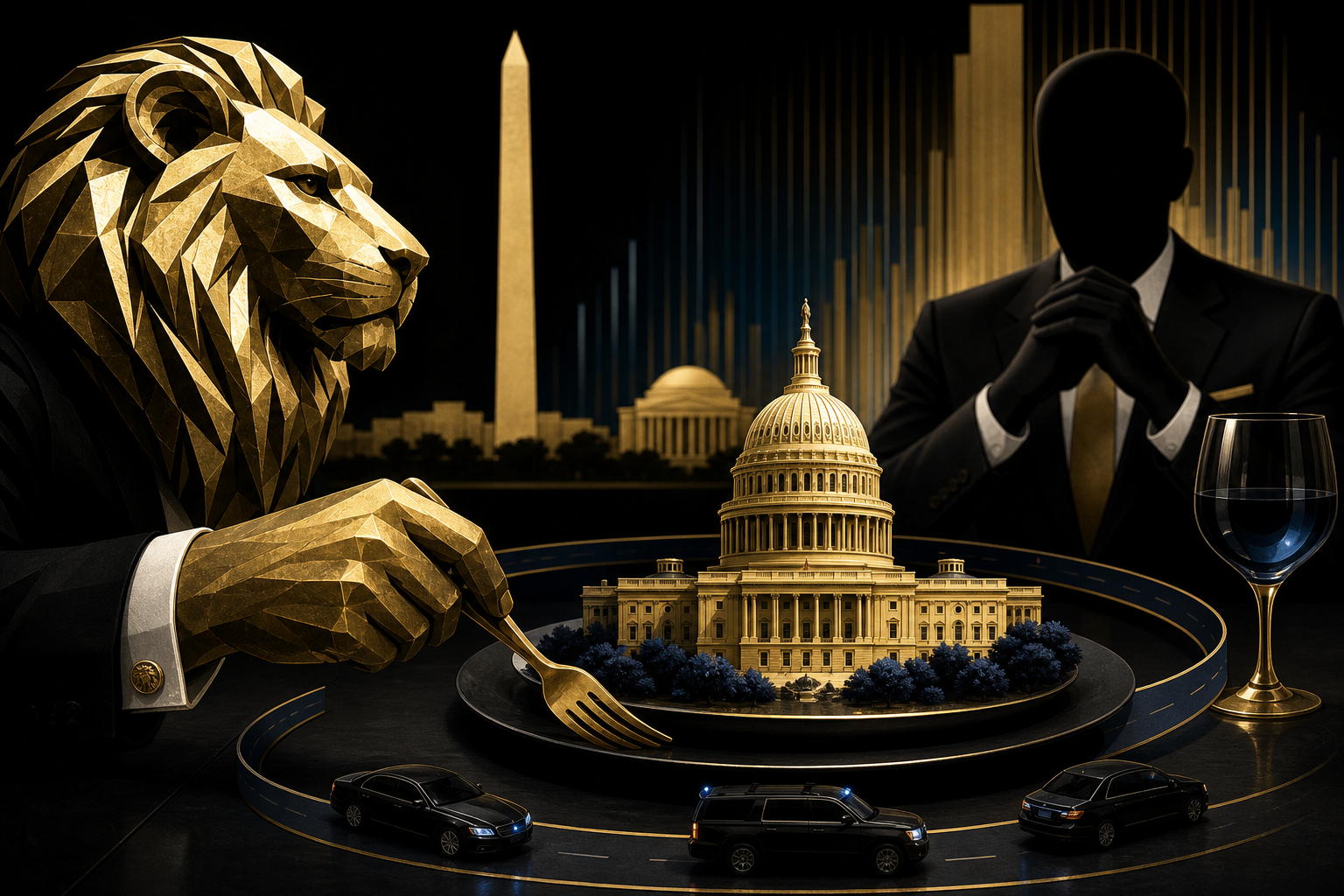
The Three Regulatory BattlegroundsPeel back the lobbying filings and three themes emerge with striking clarity.
1. AI-Generated Advertising DisclosureThe Federal Trade Commission is advancing rules that would require clear labelling of AI-generated or AI-modified advertising content. At least six Cannes sponsors — including Google, Meta, Microsoft, and Publicis Groupe — have filed comment letters on the proposed rule.
The consensus position: "We support transparency in principle, but the proposed definitions are too broad and would capture routine optimisation processes."
Translation: they want AI labelling to apply to deepfakes and synthetic influencers, not to the algorithmic headline testing and creative variant generation that powers 80% of modern digital advertising.
2. Children's Digital Privacy and COPPA ReformCOPPA 2.0, the update to the 1998 Children's Online Privacy Protection Act, is the regulation that keeps ad-tech lobbyists up at night. The expanded rule would raise the age of protection from 13 to 16, require opt-in consent for targeted advertising to minors, and ban data collection for behavioural profiling of anyone under 18.
For Cannes sponsors whose revenue depends on youth-adjacent audiences — Snap, TikTok (ByteDance), and YouTube (Google) — this is an existential regulatory challenge dressed up as child safety.
3. Data Broker RestrictionsThe Consumer Financial Protection Bureau and FTC are jointly advancing rules to classify major ad-tech platforms as "data brokers" under proposed federal privacy legislation. If enacted, companies like The Trade Desk, LiveRamp, and Oracle Advertising would face registration requirements, consent mandates, and audit obligations that would fundamentally alter how programmatic advertising works.
The Cannes Paradox: Creativity vs. ControlHere is the tension that nobody on stage at the Palais will articulate: the creativity economy that Cannes Lions celebrates depends on a data infrastructure that regulators are actively dismantling.
Every award-winning campaign — the personalised storytelling, the dynamic creative optimisation, the precision-targeted media buys — relies on data flows that are becoming legally contested. The companies spending $127 million to shape those regulations are the same companies spending millions more to celebrate the creative output those regulations threaten.
For founders attending Cannes through programmes like the Pitch Journey via The Upside Journal, this paradox is instructive. The regulatory wind direction tells you where opportunity sits: privacy-first ad tech, AI-transparent creative tools, and consent-native audience platforms are where capital will flow as the regulatory ground shifts.
The Semaform Foundation's work on ethical tech governance provides an additional lens: the organisations that build compliance into their DNA now will not need to retrofit it later.
Watch: TURN THE FREQUENCY UP!!! #GOTTAMOVEONhttps://www.youtube.com/watch?v=lqnGQri4ckE
Video by DiddyFAQQ: How much do Cannes Lions sponsors spend on lobbying? A: The top 10 Cannes Lions sponsors collectively spent over $127 million on US federal lobbying between July 2025 and June 2026, covering AI regulation, children's privacy, and data broker legislation.
Q: What is COPPA 2.0 and how does it affect advertising? A: COPPA 2.0 is the proposed update to the Children's Online Privacy Protection Act that would raise the age of protection to 16 and ban targeted advertising based on behavioural profiling of minors — directly impacting platforms with youth-adjacent audiences. Q: Why does advertising lobbying matter for Cannes Lions attendees? A: Lobbying positions reveal where the industry is heading: the regulations being shaped in Washington today will determine what kinds of creative work, data usage, and advertising technology are permissible within 12 to 24 months. Published in The Upside Journal — sharp analysis at the intersection of technology, media, and global business. About the Author Olu is the Publisher of Upside Journal, founder of CNE Concepts Ltd, CNE Studios and Cocoa Soft Africa. He writes thought pieces with focus on using AI in 2026 for business.OO
Olusegun (Olu) Olufunmiloye is the Publisher of Upside Journal, founder of CNE Concepts Ltd, CNE Studios, and Cocoa Soft Africa. Connect on LinkedIn.Don't miss what matters.Get Upside Journal's sharpest analysis — free, in your inbox.
Subscribe Free →